Guides
Sensory deprivation in BDSM: blindfolds, earmuffs and cuffs
Bondage and leather mistresses live now
See allSensory deprivation is the deliberate reduction or removal of stimuli from one or more of the senses. In BDSM, as Wikipedia notes, simple devices such as blindfolds and earmuffs cut off sight and hearing, and what's left becomes overwhelming: every touch, every sound, every pause. It's often paired with restraint, usually padded leather cuffs. This page explains what sensory deprivation involves, why it works, how far to take it, the breathing rule that matters above all others, and how to use leather cuffs safely.
What sensory deprivation means in BDSM
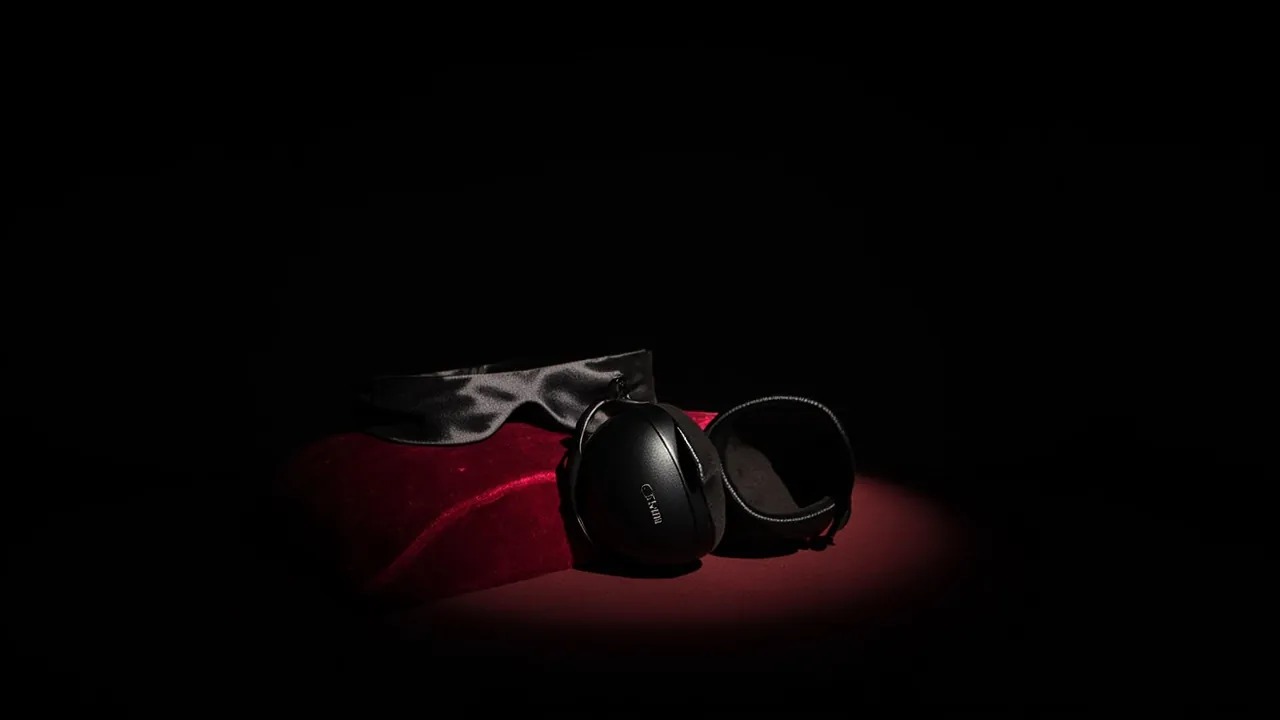
The core tools are simple. A blindfold removes sight; earmuffs or earplugs dull hearing; mittens remove the use of hands. Bondage hoods, also called gimp masks or bondage masks, cover the whole head and are the riskiest item in the kit, for reasons covered below. Most scenes need nothing more than a good blindfold and a partner who knows what to do with the silence.
Wikipedia notes that a blindfold is said to enhance the remaining senses, focusing attention on sound, smell and touch. Strictly, the senses don't sharpen; a 2011 study found short-term blindfolding didn't improve touch sensitivity. What changes is attention and anticipation. Not knowing what comes next makes everything feel stronger, which is why sensory deprivation and sensation play go together so well.
Why it works
Taking away sight hands over a kind of power that most people never notice they hold: the ability to see what's coming. The person in the blindfold has to trust, wait and listen. For many submissives, that surrender is more intense than any restraint, because it happens in the mind. The dominant, meanwhile, gets total control of the scene's rhythm: when to speak, when to touch, when to let the silence stretch.
How far to take it
Start with a blindfold alone, for a short scene, with plenty of touch and voice so the person knows they're not alone. Add earmuffs only once that feels good. Total deprivation is more powerful than it sounds: a 2009 study found that even a brief period of complete isolation from sound and vision produced perceptual disturbances, paranoia and low mood in some people. Keep deprivation scenes short, check in by touch, and agree a signal that works without sight or speech, such as squeezing a hand or dropping an object. Take the blindfold off gently afterwards, in soft light, and allow time for aftercare.
A first blindfold scene
A simple plan works best. Agree how long the scene will last, perhaps 20 minutes, and what's on and off the table. Seat or lay the person somewhere comfortable and warm, then put the blindfold on and let a minute of silence pass. Speak first, so they know where you are. Then alternate: a touch, a pause, a whisper, a texture, a longer pause. Move around the room so the voice comes from different places. Offer a sip of water halfway through, which is both kind and surprisingly intense when you can't see it coming. Before the blindfold comes off, tell them it's about to, dim the lights, and stay close for a few minutes afterwards. Many people find the first time unexpectedly emotional, in a good way, and the conversation afterwards is part of the scene.
The breathing rule
Never cover the nose or mouth. Blindfolds and earmuffs are the safe core of sensory deprivation precisely because they leave the airways free. Wikipedia warns that bondage hoods can be hazardous if breathing is impeded, that gagging carries a substantial risk of asphyxia if the nose becomes blocked, and that anything blocking the mouth can become deadly if the person vomits. A 2021 review of 17 published BDSM deaths found strangulation caused 15 of them, and one involved suffocation with the mouth taped. Its authors recommend keeping specific tools close at hand to free people from bondage quickly.
- Nothing over the nose or mouth, and nothing around the neck.
- Never leave a blindfolded or restrained person alone, even briefly.
- Keep safety shears within reach whenever anything is tied or buckled.
- No deprivation play when drunk, high or very tired.
Leather cuffs
Bondage cuffs, in Wikipedia's description, are wide wrist and ankle restraints, generally made of leather, often padded with soft leather or fake fur, and fastened with a lock, a buckle or velcro. They're the standard restraint for beginners because they spread pressure far better than metal handcuffs, which concentrate it on a narrow edge. Bondage is common, too: a 2017 US study of 2,021 adults found 21.1% had tied up a partner or been tied up during sex.
Fit them snugly enough not to slip off, but never so tight that they press or pinch. Buckles and velcro let you release someone in seconds, which makes them better choices than locks for most scenes. Check hands and feet often. Wikipedia lists the warning signs of restraint problems as numbness, coldness and changes in skin colour, and nerve compression is a real risk: in research on police handcuffs, 82% of reported hand injuries involved one superficial nerve on the wrist, and some were severe and permanent. Padding helps, but it doesn't make injury impossible, so release at the first tingle. And never hang from cuffs: ordinary bondage cuffs aren't designed to carry any significant load.
The other kind of sensory deprivation
Search for sensory deprivation and you'll find float tanks: dark, soundproof tanks filled with shallow water so heavily salted with Epsom salt that you float, heated to skin temperature. The first isolation tank was developed in 1954 by the neuroscientist John C. Lilly. Floating is a relaxation therapy rather than a kink, and research is promising: a 2018 study of 50 people with anxiety disorders found a single one-hour float substantially reduced their anxiety. Different setting, same principle: take away the noise, and attention turns inward.
The law, briefly
In England and Wales, consent is no defence to actual bodily harm or worse, under the Domestic Abuse Act 2021. Marks from cuffs that fade in minutes are one thing; injuries that last are another. Keep restraint light and brief.
Sensory deprivation on cam
A blindfold works surprisingly well on cam. With her voice in your headphones and your eyes covered, a mistress can guide a whole session by sound alone, telling you when to wait, when to move and when to listen. The strip at the top of this page shows bondage and leather mistresses live now, and our page on bondage cams covers restraint-themed sessions.
Quick answers
What is sensory deprivation in BDSM?
Deliberately removing one or more senses during a scene, usually sight with a blindfold and sometimes hearing with earmuffs, so the person's attention narrows to touch, sound and anticipation.
Is sensory deprivation safe?
Blindfolds and earmuffs are low risk if scenes stay short and someone stays with the person. Anything that covers the nose or mouth, such as tight hoods, gags or tape, carries a real risk of suffocation.
What are leather cuffs?
Wide, padded wrist and ankle restraints made for bondage, usually leather lined with soft leather or fake fur, fastened with a buckle, a lock or velcro. They spread pressure better than metal handcuffs.
How tight should leather cuffs be?
Snug enough not to slip off, loose enough that nothing presses or pinches. Check hands and feet often, and release the cuffs straight away for numbness, tingling, coldness or a change in skin colour.
Can you hang from leather cuffs?
No. Ordinary bondage cuffs aren't designed to carry any significant load, so they should never be used for suspension or to hold body weight.
What is a sensory deprivation tank?
Something else entirely: a dark, soundproof float tank of shallow, heavily salted water at skin temperature, developed in 1954 by the neuroscientist John C. Lilly and now used for relaxation.
What's the best blindfold for BDSM?
One that blocks light completely without pressing on the eyes, with a soft, wide band that won't slip. A padded sleep mask works well. Avoid anything tight around the head, and never anything that covers the nose or mouth.
Can earplugs be used for sensory deprivation?
Yes. Foam earplugs or ear defenders dull sound without touching the airways, which makes them a safe partner to a blindfold. Keep the scene short and agree a touch signal, since spoken words won't get through.