Guides
Shibari: Japanese rope bondage, explained
Bondage mistresses live now
See allShibari is Japanese-style rope bondage: tying a willing person in patterns valued as much for their look and feel as for how they hold someone still. The word broadly means binding or tying, and it's often used interchangeably with kinbaku, meaning tight binding. It's beautiful, popular and widely photographed, and it carries real physical risks that photographs never show. This page covers what shibari is, where it comes from, the rope and ties people use, and how to learn it without hurting anyone.
What shibari means
Wikipedia's article on Japanese bondage explains that kinbaku literally means tight binding, while shibari broadly means binding or tying in most contexts, and is used in BDSM to refer to this style of decorative bondage. A 2023 medical paper in the journal Cureus offered a neat definition: an art form involving the voluntary and aesthetic binding of a person with rope.
The two Japanese words are used differently by different people, and it's worth knowing the debate exists. Some Western practitioners use shibari for purely aesthetic rope and kinbaku for the more sensual, connective practice as a whole. A more traditional view holds that shibari is simply a Western misuse of the Japanese vocabulary. If you're talking to a rope teacher, ask which word they prefer; it tells you something about how they approach it.
Where shibari comes from
Shibari's roots are in restraint rather than pleasure. Hojōjutsu was a Japanese technique for restraining prisoners with rope, using a thin capture cord a few millimetres across and a main rope of hemp around six millimetres thick and sometimes up to 25 metres long. Bondage as a sexual practice came to notice in Japan in the late Edo period, which ran from about 1600 to the 1860s.
The modern art owes most to the painter Seiu Ito, born in 1882 and died in 1961, who studied hojōjutsu and drew on kabuki and woodblock prints, and is recognised today as the father of modern kinbaku. After the Second World War, the Osaka magazine Kitan Club, published from 1947 to 1975, helped popularise the style, and the word kinbaku itself was first used in its August 1952 issue. From the 1960s, performers such as Eikichi Osada brought rope to live stage shows, and kinbaku has since become popular in the Western BDSM scene in its own right.
The rope
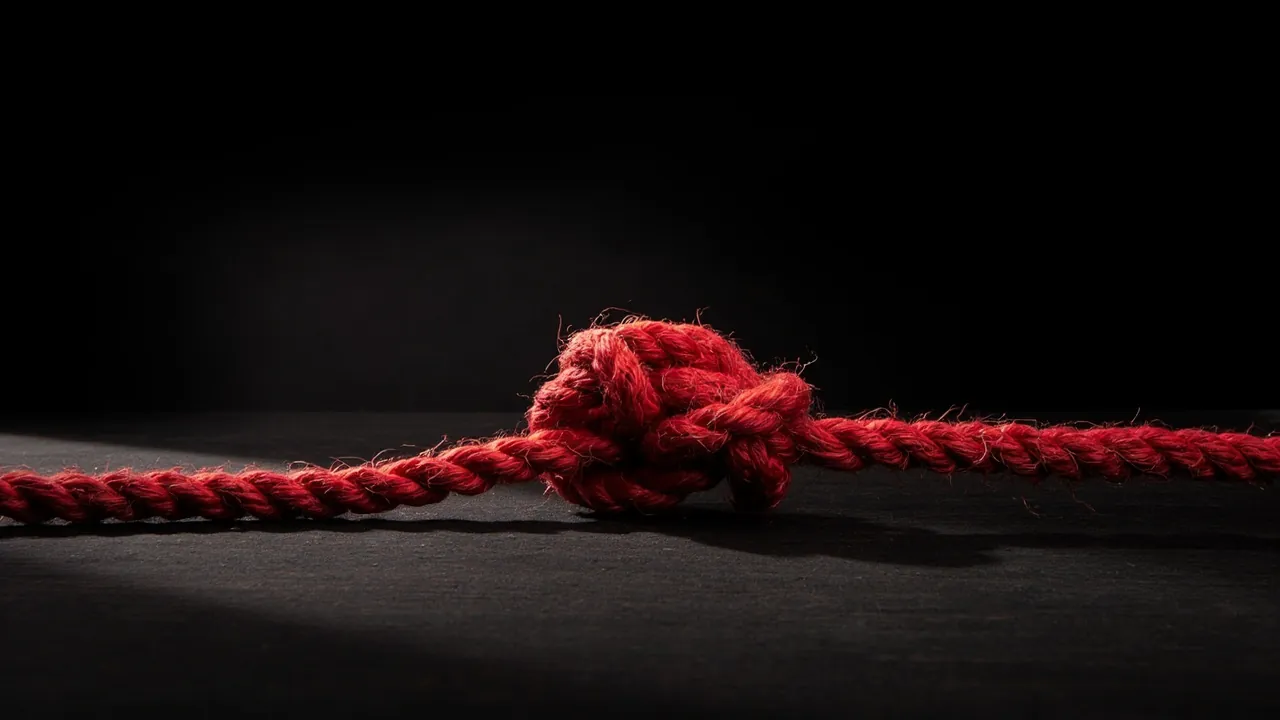
Traditional shibari rope is natural fibre: jute, hemp or linen, generally around 6 mm thick, sometimes as thin as 4 mm, and between 7 and 8 metres long. Natural fibres grip themselves well, which helps knots hold without pulling tight, and they have a texture many people love. Western bondage more broadly uses almost any rope, including cotton and synthetics, but in shibari hemp and jute remain the norm.
Rope needs preparation and care. New natural-fibre rope is usually conditioned to soften it, and all rope should be checked for wear before every use. A rope that frays or snaps under load is not a minor inconvenience.
Ties and harnesses
Shibari has a vocabulary of named ties, and you'll meet a few of them quickly:
- Takate kote. The foundational upper-body tie, with the arms behind the back, often called the box tie in English. Most shibari builds on it.
- Futomomo. A leg tie that folds the calf against the thigh.
- Ebi. The "shrimp", a folded seated position.
- Kikkou. A diamond-patterned tie, the look many people picture when they think of a rope harness.
The person tying is often called a nawashi, a rope master, or a bakushi. This page deliberately doesn't give step-by-step instructions, because rope is learned with hands and a teacher, not from text.
The risks people don't see in photos
Rope can injure nerves, and it can kill. The 2023 Cureus paper described ten people with sixteen nerve injuries from rope bondage, mostly during suspension; 90% involved the radial nerve, which runs around the back of the upper arm, and the hands were often in a box-tie position with rope across the middle of the upper arm. Recovery ranged from two minutes to five months. A compressed radial nerve causes wrist drop, numbness on the back of the hand and an inability to straighten the fingers, and typically takes two to twelve weeks to recover.
The deaths are rarer and almost always involve the neck. A 2021 review in the International Journal of Legal Medicine of 17 BDSM-related deaths found strangulation in 88.2% of them. One followed a shibari scene in which ropes passed around the participants' necks, and the person watching had no knife to cut them free. Drugs or alcohol were involved in nearly two thirds of the deaths. The lessons write themselves.
- Never put rope around the neck, ever.
- Keep EMT safety shears within reach of the person tying, every time. They destroy the rope, which is the point.
- Check hands constantly. Numbness, tingling, coldness or colour change means release now.
- Never leave a tied person alone, even for a moment.
- Stay sober, and leave suspension to experienced people who have trained for it.
Learning shibari safely
Most BDSM clubs and local communities run classes, and a structured class with a teacher who corrects your hands is far safer than any video. Start with floor work, not suspension. Learn the warning signs of nerve compression before you learn anything decorative. Practise the release as often as the tie. And remember that rope is consensual like everything else on this site: negotiate what's being tied, for how long, and what the signal is to stop, before the first knot. Our guide to limits and safewords covers that conversation, including signals for when someone can't speak.
Rope is more common than people assume. In a nationally representative US survey published in 2017, about one in five adults said they had tied up a partner or been tied up as part of sex. Most of that is simple restraint, not shibari, but it shows how many people are one good class away from something more beautiful and much safer.
Shibari and femdom on cam
On a webcam, rope works differently. A mistress can't tie you, so cam rope is either display, where she ties herself or shows her rope work on camera, or self-bondage on her instructions. Self-tying with rope is the riskiest version of bondage on cam, because nobody is in the room if something goes wrong. If rope is your interest, enjoy her rope as something to watch, and keep your own restraint to padded cuffs that come off in a second. Our bondage cams page lists the full self-bondage safety rules, and the strip at the top of this page shows bondage mistresses live now.
Quick answers
What is shibari?
Shibari is Japanese-style decorative rope bondage. The word broadly means binding or tying, and in BDSM it refers to tying a willing person in patterns valued as much for how they look and feel as for how they restrain.
What does shibari mean?
In Japanese, shibari broadly means binding or tying. A related word, kinbaku, means tight binding and is often used for the practice as a whole, though people disagree about exactly how the two differ.
What rope is used for shibari?
Traditionally jute or hemp, usually about 6 mm thick and 7 to 8 metres long. Western bondage also uses cotton and synthetic ropes.
How do I learn shibari?
In person, from an experienced teacher, ideally in a structured class. Rope looks simple in photos but carries real risks, especially to the nerves in the arms, which is why learning from a video alone is a bad idea.
Is shibari dangerous?
It can be. Rope can compress nerves in the arms, and rope around the neck has caused deaths. With a trained teacher, safety shears in reach, constant hand checks and no neck ties, the risk drops a long way.
What's the difference between shibari and kinbaku?
People disagree. Kinbaku literally means tight binding and is often used for the whole sensual practice; shibari, meaning binding or tying, is sometimes used for the more decorative side, and some say it's simply a Western misuse.