Guides
Pet play ideas, rules and training for beginners
Role play mistresses live now
See allThe best pet play ideas are simple: fetch, tricks for a treat, a walk on a lead, a nap at your owner's feet, and a collar that goes on to begin the scene and comes off to end it. What turns those into pet play is the headspace behind them and the person holding the lead. This guide is the practical side: ideas for puppies, kittens and ponies, rules and commands, training with rewards, what a handler actually does, the gear and what each piece is for, and the safety points people miss. If you're new to the whole idea, start with our explainer on what pet play is, then come back here.
Start with the headspace
Gear and tricks are the visible part. The point is a state of mind. In their 2019 study in the Archives of Sexual Behavior, Darren Langdridge and Jamie Lawson described pup headspace as an "unreflective and unprocessed now" in which adult responsibilities are set aside, and called it "a physically active mindfulness". Their participants were clear that the costume alone doesn't do it: without the headspace, as one put it, "you're just a person with a mask on".
Going quiet is the most common way in. "I stop talking so I stop thinking in words," one pup told the researchers. A cue helps too: a squeaky toy, a collar clicked shut, a hood pulled on. Pick one ritual and repeat it every time, and the switch gets faster.
Pet play ideas for puppies
- Fetch. A soft ball or toy, thrown a short distance indoors. The simplest game there is, and the one most pups love.
- Tricks for treats. Sit, stay, paw, roll over, each rewarded straight away. Researchers found performing tricks for treats among the core activities pups describe.
- Rough-and-tumble. Wrestling, tug-of-war with a rope toy, chasing. This is where pups get their energy out.
- Cuddles and quiet time. Curling up at the handler's feet or on the sofa beside her is as much a part of pup play as games.
- Walks. On a lead around the house, or at a pup event where everyone expects it.
Kitten play ideas
Kittens are a different temperament. Wikipedia's article on animal role play notes that the key trait of kitten play is independence: the kitten may resist the person trying to tame her or him, which suits players who enjoy a little brattiness. Good ideas lean into that:
- A feather or ribbon on a string, which the kitten ignores until she decides not to.
- Fetching a small toy, but only when it suits the kitten.
- Begging for attention, then sulking when it's withheld.
- Curling up somewhere warm and refusing to move until called properly.
Pony play ideas
Pony play is the most structured of the three. Wikipedia describes it as often involving the practice and training a horse owner would put a horse through, such as walking and cantering, using modified horse tack. Ideas include gait training (a high-stepping walk, a trot on command), standing still in a show pose, responding to rein cues, and dressing up with a bridle, plumes and a tail. Pony boots made to look and sound like hooves are popular with dedicated players.
Two cautions. Cart pulling and riding need real strength and good balance, and a fall hurts. And Wikipedia's article on the human pony harness notes that having the hands strapped behind the back is not usually recommended for pulling a cart, in case of a fall. Keep hands free for anything physical.
Rules and training
A few clear rules make the dynamic. Agree them before the scene: how the pet asks for attention, where the pet sleeps, what's off limits, and the non-verbal safe signal. Then train with rewards rather than punishments. Short, frequent sessions work better than long ones, and every command gets the same word and the same reward each time.
Common commands are sit, stay, down, heel, fetch and a release word that ends a command. Because pets are often non-verbal, the handler speaks and the pet answers with actions. Praise, a scratch behind the ears or a treat is the reward; a short time-out or being ignored is the consequence. Our guide to punishments and rewards has more ideas for keeping both sides fair.
The handler's job
The handler, also called the owner or trainer, is the pet's carer as much as their authority. In Langdridge and Lawson's study, handlers kept "an eye out for safety and the passing of time" while pups played, helped them gear up, and spoke in a cajoling tone; one was fondly described as a "walking rucksack for water". A 2022 survey of 733 pup players by Liam Wignall and colleagues found 71.9% were pups only, 9.7% handlers only and 18.4% both, so plenty of people swap.
At events, a locked collar on a pup is a signal: ask the handler before approaching. The handler is also the one who ends a scene if the pet seems overheated, sore or no longer enjoying it, even if the pet is too deep in role to say so.
Words you'll hear
- Pup space. The wordless, playful headspace described above.
- Pack. A chosen-family group of pups and handlers, sometimes with a hierarchy. In the 2022 survey, 29.7% belonged to one, and three quarters of those called it very or extremely important.
- Mosh. A free-for-all play space for pups at an event; 62.9% of the surveyed pups had been to one.
- Alpha, beta, omega. Pup identities borrowed loosely from dog packs: alphas lead, omegas are the most playful and submissive.
- Stray. A pup without a handler.
Gear, and what each piece does
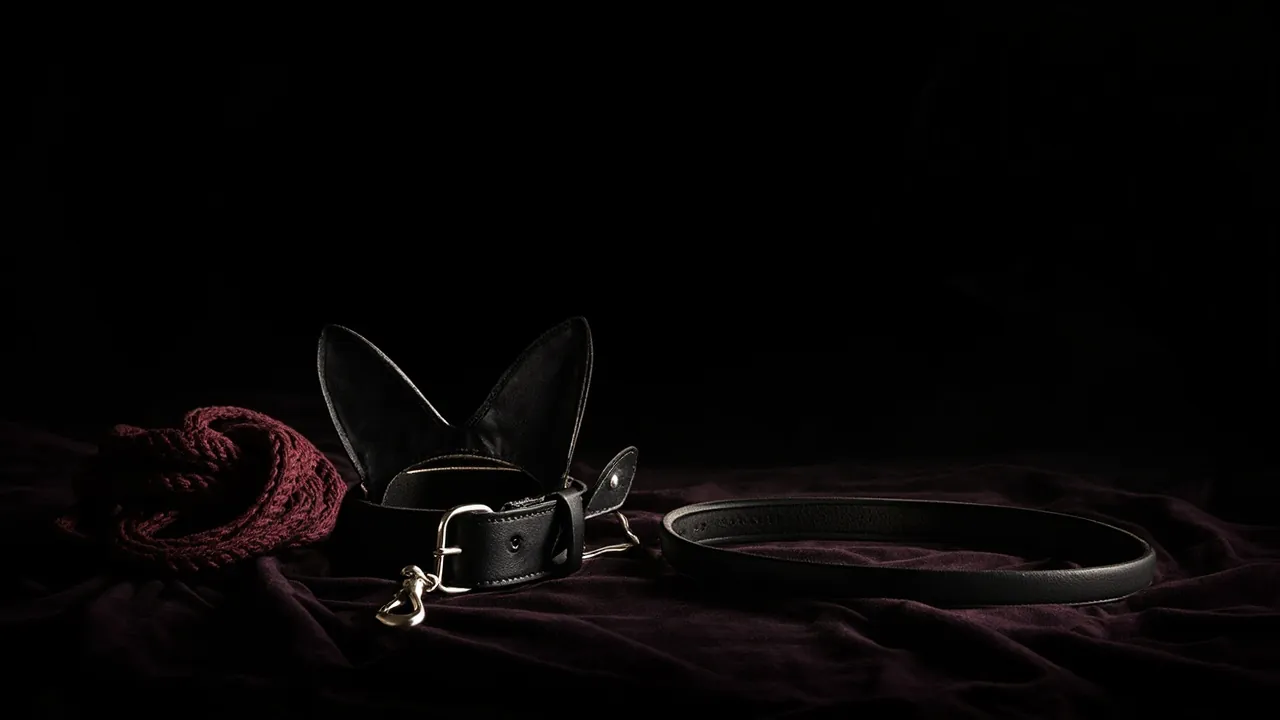
- Collar and lead. Symbols of belonging and the most common gear after hoods. Wear them loose; the neck is never for restraint.
- Hood or ears. Hoods change how you see yourself and limit vision and hearing, so keep sessions short. Ears on a headband give kittens the look without covering the face.
- Mitts. Padded gloves that stop fingers working like hands, which helps the headspace.
- Kneepads. Essential for anyone on all fours.
- Tail. For the look; many are worn on a belt.
- Harness and bridle. Pony gear, buckled so it can't slip off, with rings for leads and reins.
Pet play, furries and therians
These get confused constantly, and they're different things. Pet play is chosen role play, usually with a human handler, and participants in Langdridge and Lawson's study didn't believe they were dogs. The furry fandom is a subculture built around anthropomorphic animal characters, and Wikipedia's own article warns against confusing it with animal role play. Therians identify as a non-human animal in some sense: FurScience, a research project linked to the University of Waterloo, found 85.5% of therians felt less than 100% human, against 35.1% of furries who weren't therians. Some people are more than one, but none of the three implies the others.
Safety specifics
- Knees. The NHS advises padding when putting a lot of pressure on joints, as kneeling does.
- Wrists. The NHS lists repeated wrist bending and hard gripping as risk factors for carpal tunnel syndrome. Walking on hands puts the wrists under load, so take breaks and stop for numbness or tingling.
- Heat. Hoods, gear and play add up. The NHS lists the signs of heat exhaustion as tiredness, dizziness, headache, nausea, heavy sweating and strong thirst. Give water often and cool down at once if they appear.
- A signal that needs no words. Wikipedia's BDSM article gives dropping a ball or ringing a bell as examples of a safe symbol.
- Bystanders. Play in private or at events that expect it, never in front of people who haven't agreed to see it.
Pet play with a dominant woman
Femdom pet play casts her as the owner: the one who names the pet, sets the rules, rewards good behaviour and decides when playtime ends. Kitten play and pony play have especially strong femdom traditions, and many people who start with a cam mistress find it's a low-pressure way to try the headspace before involving a partner. Few performers list pet play as a style, so ask in free chat whether she enjoys it before booking. Our page on femdom role play cams explains how to set up a role play session, and when a pet becomes something more permanent, our guide to collaring ceremonies covers how couples mark it.
Quick answers
What are some pet play ideas for beginners?
Fetch with a soft toy, simple tricks for a treat, a short walk on a lead indoors, rough-and-tumble play, curling up at the handler's feet, and a collar put on to start the scene and taken off to end it. Keep the first scene short, around twenty minutes.
What are common pet play rules?
Agree everything first, including limits; use a non-verbal safe signal such as dropping a ball or ringing a bell; let the handler watch time and safety; keep play somewhere private or at events that expect it; and end with a clear ritual.
What commands are used in pet play?
The classics are sit, stay, fetch, down and heel, plus a release word that ends the command. Pups and kittens are often non-verbal, so the handler gives commands and the pet answers with actions.
What does a pet play handler do?
Cares for, directs and protects the pet: helping with gear, giving commands and rewards, watching for safety and the passing of time, and carrying water. One study joked that handlers are a walking rucksack for water.
What is the difference between pet play and puppy play?
Puppy play is one type of pet play. Pet play is the umbrella term for adults role-playing any animal, most often a puppy, a kitten or a pony.
Is pet play the same as being a furry or a therian?
No. Pet play is chosen role play with a human handler. Furries share an interest in anthropomorphic animal characters, and therians identify as an animal in some sense. Some people overlap, but they're different things.
What gear do you need for pet play?
None, strictly. Popular gear includes a collar and lead, a hood or ears, a tail, mitts and kneepads. In a 2022 survey of 733 pup players, 90.9% owned some gear, most often hoods and collars.
What is pup space?
The relaxed, wordless headspace pets describe when they're fully in role. Researchers have compared it to a physically active form of mindfulness. It usually takes practice and a cue, such as a collar or a favourite toy.
Is pet play safe?
With care, yes. Wear kneepads, watch wrists, keep hoods short and well ventilated, give water, agree a non-verbal safe signal, and never fasten a collar tightly or use it on the neck.