Guides
Impact play: what it is, the toys, and how to do it safely
Strict mistresses live now
See allImpact play is consensual striking for pleasure: spanking, paddling, flogging, caning and the rest. Wikipedia describes it as a practice in which one person is struck, usually repeatedly, by another for the gratification of either or both, which may or may not be sexual, and counts it as a form of BDSM. It's also one of the most common: about a third of American adults have tried spanking. This page covers what impact play is, the toys and the sensations they make, where it's safer to strike and where never to, and how to look after each other afterwards.
What impact play is
At its simplest, impact play is one person hitting another, by agreement, because one or both of them enjoy it. The enjoyment can be physical, from the warmth and rush of endorphins, or psychological, from the trust, surrender and power involved, and usually it's both. Healthline's medically reviewed overview defines it as any practice that involves one person receiving impact, such as being spanked, whipped or flogged, by another person for the sake of gratification.
It's far from niche. A nationally representative US survey published in PLOS ONE in 2017 found that 31.9% of adults had spanked or been spanked as part of sex, with 17.2% doing so in the past year, and 15% had playfully whipped someone or been whipped. Women were slightly more likely than men to have tried spanking.
A very old pleasure
Erotic striking is ancient. One of the earliest depictions of erotic flagellation is in the Etruscan Tomb of the Whipping, from the fifth century BC. English writers were joking about it by the 1590s, and John Cleland's notorious novel Fanny Hill included a flagellation scene in 1749. In 19th-century London, impact play became a trade: Theresa Berkley ran a famous house of discipline in Marylebone and invented a flogging frame known as the Berkley Horse. Our guide to femdom picks up the story from there.
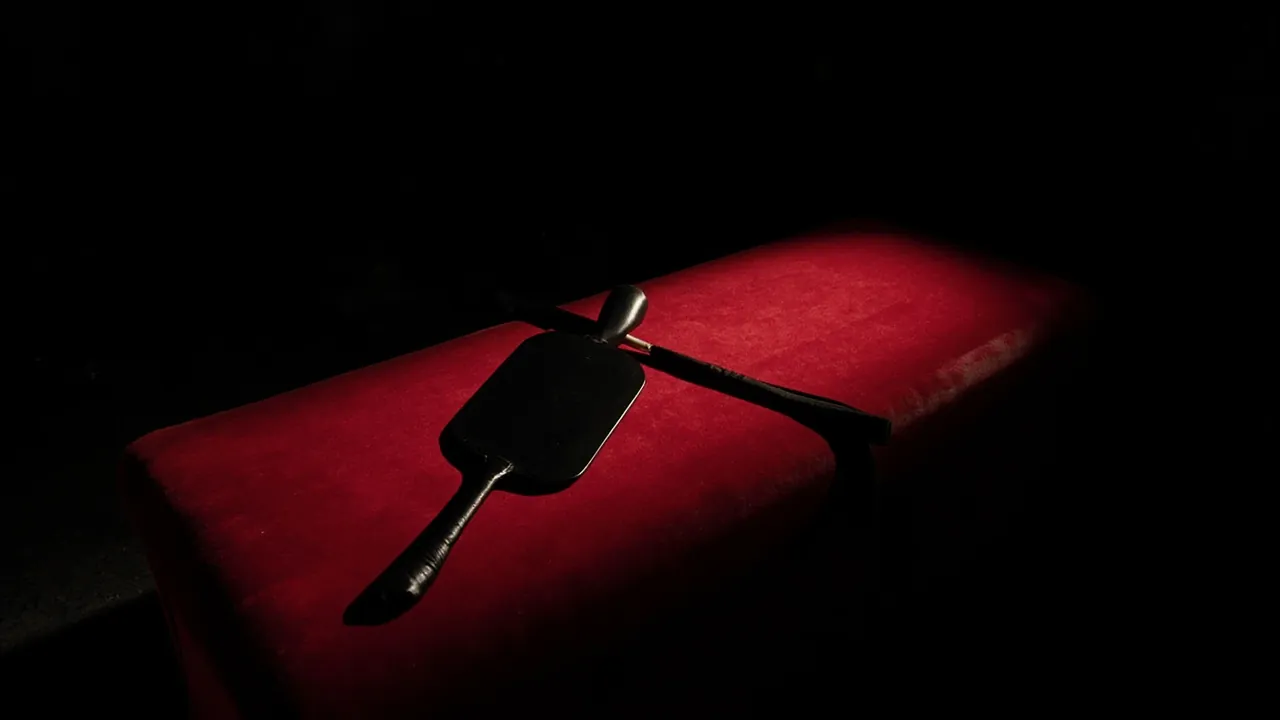
Impact play toys
Impact toys fall into a few families, and Wikipedia's articles on the subject list both purpose-made and improvised versions:
- The hand. The first and most underrated tool. You can feel what you're doing, which makes it the best place to start.
- Paddles. Flat and rigid, from wood to leather. Mostly thuddy, and easy to control.
- Floggers. Many tails on a handle. Heavier, wider falls thud; thinner ones sting.
- Riding crops. A flexible shaft with a small leather keeper at the tip. Precise and stingy, and the classic prop of the dominatrix.
- Canes. Thin, flexible rods, often rattan. Intense, stingy and the least forgiving.
- Straps, belts and tawses. Flat leather that sits somewhere between paddle and cane.
- Household improvisations. Hairbrushes, wooden spoons, belts. Familiar, and often harder than they look.
Thud and sting
The single most useful idea in impact play is the difference between thud and sting. Stingy implements, like a rattan cane, produce a sharp, quick burning sensation felt mostly on the skin. Thuddy implements, like a wooden paddle, push the force deeper into the muscle. As Healthline puts it, the wider the implement and the bigger the area struck, the thuddier the impact. Most people prefer one more than the other, and a good session often moves from thud to sting as the body warms up.
Sound is part of it too. A flat paddle cracks; a flogger swishes and lands with a dull thump; a cane whistles before it bites. Many people find the anticipation, the second between the sound and the sensation, the most intense part of all.
Where to strike, and where never to
The general advice from educators, as reported by Healthline, is simple: the buttocks, upper thighs and other well-padded areas are the places for impact, while major organs, the spine, the stomach and the lower back are off limits. The lower back matters most. The kidneys sit just below the rib cage, one on each side of the spine, according to the US National Institute of Diabetes and Digestive and Kidney Diseases, and they're poorly protected there. Add to that list the head, neck, joints and anywhere bone sits just under the skin.
These are educators' guidelines rather than medically proven safe zones, so treat them as a minimum. If in doubt, aim lower and lighter.
Warm up, check in, build slowly
Impact play goes better and safer when it builds. Start with light strikes, often with the hand, to bring blood to the skin; Healthline's advice is to begin with light slaps before moving onto stronger ones. Increase intensity in steps, and check in between them with a quick word or a traffic-light colour: red for stop, yellow for slow down. Watch the person, not just the target. Breathing, flinching and silence all tell you something.
Know where the edges are. In 2018 doctors writing in BMJ Case Reports described a 61-year-old man who developed acute kidney injury after around 1,000 vigorous strikes with a cane and whip over about 30 minutes; he recovered fully, but needed hospital care. That's an extreme case, far beyond ordinary play, but it shows why intensity and duration matter, and why dark or reduced urine after heavy play is a reason to see a doctor straight away.
Marks, bruises and aftercare
Marks are common and usually harmless. A bruise is just leaked blood under the skin, and the Cleveland Clinic says most fade within about two weeks; ice in 15-minute spells over the first day or two helps. People on blood thinners, aspirin or anti-inflammatories bruise more easily, which is worth knowing before a heavy session. See a doctor for bruises that last longer than two weeks, or bruising with blood in the urine.
Aftercare matters as much as the scene. Wikipedia defines it as emotional, psychological or physical support for participants after BDSM activity, and Healthline calls it a must after any impact session: water, warmth, a blanket, some quiet time, and a short debrief about what worked. There's even evidence it all goes somewhere good. A 2009 study in the Archives of Sexual Behavior found that BDSM scenes which went well were followed by lower stress hormones and greater feelings of closeness.
Impact play on cam
Through a webcam, impact play changes shape. A mistress can't strike you, so on cam it's mostly display and theatre: the crop tapped against her boot, the paddle laid on the desk, a vivid description of exactly how it would feel. Some subs ask to be instructed to use an implement on themselves. If you do, the rules above apply in full, with one more: you're the only one who can feel when it's too much, so you decide when to stop. Agree limits and a safeword first; the limits guide covers how. The leather mistress page has more on the props you'll see in a strict mistress's room.
Quick answers
What is impact play?
Consensual striking for pleasure: spanking, paddling, flogging, caning and similar, where one person is hit by another for the gratification of one or both. It's one of the most common forms of BDSM.
What are the main impact play toys?
The hand, paddles, floggers, riding crops, canes, straps and belts. They split roughly into thuddy tools, which spread force deep into the muscle, and stingy ones, which concentrate it on the skin.
Where is it safe to hit in impact play?
Fleshy areas like the buttocks and upper thighs. Avoid the spine, the lower back over the kidneys, the stomach, joints, the neck and the head.
How long do impact play bruises last?
Most bruises fade within about two weeks. See a doctor if one lasts longer, or if bruising comes with blood in the urine.
Is impact play safe?
It can be very safe with a warm-up, padded targets, regular check-ins and sensible intensity. Extreme, prolonged sessions can cause real injury, so build slowly and stop at any sign of trouble.
What is aftercare after impact play?
Looking after each other once the scene ends: water, warmth, a blanket, quiet time and a short chat about what worked. It's as much a part of impact play as the strikes.