Guides
Chastity cage safety: what's known, what isn't, and when to stop
Keyholders and teasers live now
See allAre chastity cages harmful? The honest answer is that nobody has studied them. A 2026 expert opinion in the Journal of Sexual Medicine said the devices have not been evaluated in clinical or epidemiological studies, and a search of the medical literature finds no case series on chastity cages at all. What doctors do know a great deal about is constriction, skin problems and hygiene, and those are the real risks. This page lays out what's known, what isn't, the warning signs that mean stop, and what to do if something goes wrong.
What the evidence says
There's a striking gap in the research. As far back as 2013, a urologist asked about chastity devices in Dan Savage's column said he could not find a single reference to them in the medical literature. Thirteen years later, the Journal of Sexual Medicine opinion said much the same. So any claim that chastity is proven safe for months, or proven to cause damage, goes beyond the evidence.
The closest body of evidence is on penile constriction from rings and other tight objects, which doctors describe as a rare urological emergency that can lead to loss of blood supply if it isn't treated promptly. It's a different situation from a well-fitted cage worn sensibly, but it explains exactly what can go wrong when a device is too tight or left on too long, and it's where every sensible safety rule comes from.
The main risk: constriction
A ring that's too tight blocks blood from leaving the penis, which causes swelling, which tightens the ring further and eventually reduces blood flowing in. A 2008 review in the Journal of Sexual Medicine found injuries were worse when treatment was delayed beyond 72 hours, and that patients who had the object removed promptly mostly did extremely well. In a 2024 review of 100 constriction cases, about a quarter had lasting effects.
Doctors grade these injuries, and the early grades are what you need to recognise. Swelling beyond the ring comes first. Then skin injury with decreased sensation. Then loss of sensation further along. Numbness, in other words, is not a normal part of wearing a device; it's an early sign of injury.
- Stop at once for swelling, numbness, tingling, sharp or growing pain, or skin that turns pale, dark or dusky.
- Get urgent care if you can't remove the device, or if symptoms don't settle quickly once it's off.
- See a doctor for pain passing urine, discharge, or any injury that doesn't heal.
If a device gets stuck
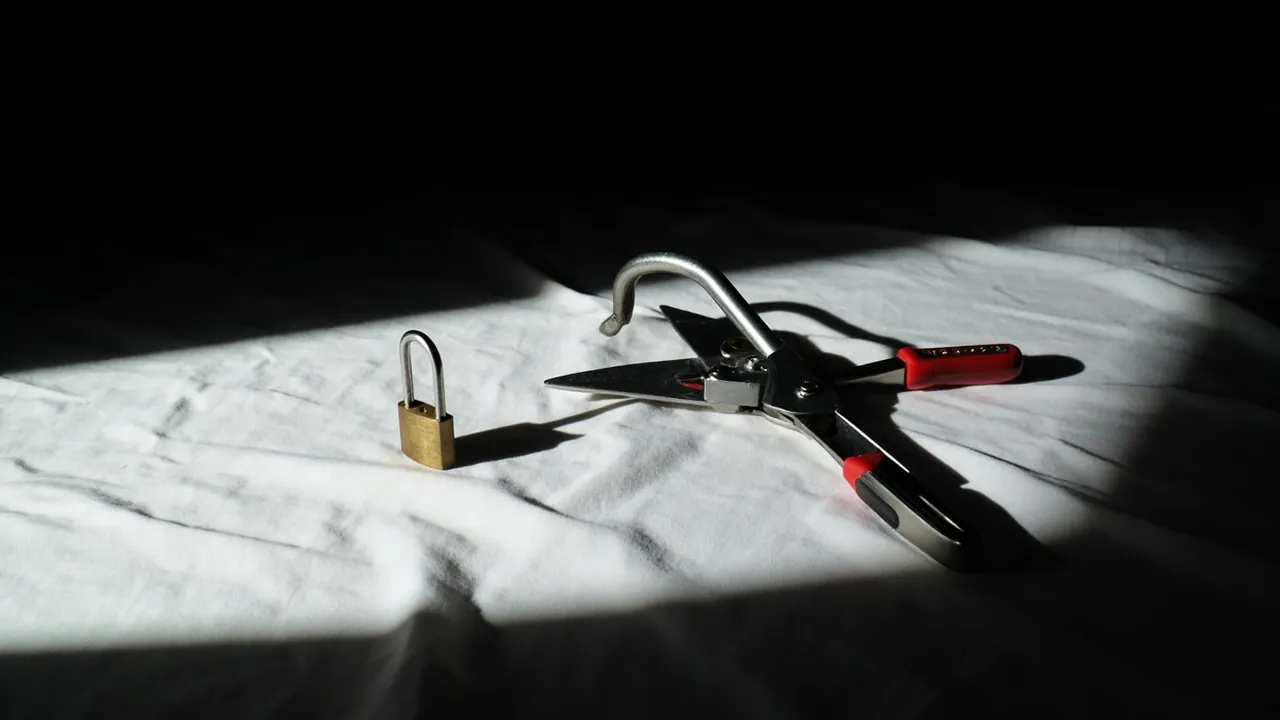
Australia's government health service, Healthdirect, is clear: if something tight can be removed safely, remove it right away, but if an object is stuck, don't try to remove it yourself; seek urgent care. Improvised cutting near swollen tissue causes injuries of its own, and some materials are much harder to cut than people assume. A 2026 case report described a titanium ring that defeated a hospital's standard ring cutter and needed a large bolt cutter. That's one more reason to choose devices you can always remove, and to keep the emergency key somewhere you can reach at any hour.
Smart locks add their own risk. In 2020, security researchers found that an app-controlled cage could be locked remotely by attackers and had no physical override; the suggested fallback was an angle grinder. A lock that depends on someone else's server is a lock you don't fully control.
Skin, hygiene and allergies
The everyday problems are about skin. Balanitis, an inflammation of the head of the penis, is linked to poor hygiene, trapped moisture and irritants, and the Cleveland Clinic's prevention advice is simple: wash with mild soap and water, and dry thoroughly. With a device on, that means cleaning every day and drying properly, ideally with the device off for a short hygiene break; app defaults such as a 15-minute opening every two days are a convenience, not medical advice.
Materials matter too. Some people react to nickel, which stainless steel contains, and one maker warns that black dye can contain a known skin sensitiser. Redness, itching or rash under the device is a reason to take a break and try a different material, not to push on.
Long-term wear
This is where the evidence runs out completely. The urologist in that 2013 column cautioned against continuous wear beyond four to six hours for any device that compresses tissue, while admitting he couldn't prove long-term damage. Many wearers go far longer without reported problems, but absence of reports isn't proof of safety. There are open questions nobody has answered, from the role of nightly erections, which happen three to five times a night and are thought to help keep tissue healthy, to the effects of rings on heat and comfort.
Claims you'll see online that cages cause shrinkage or erectile problems, or that they're good or bad for the prostate, are unproven. A large study did link more frequent ejaculation with a lower risk of prostate cancer, but that's an association in men who weren't wearing devices, and it can't tell you anything certain about chastity.
A sensible routine
- Get the fit right first: the ring matters more than the cage. Allow a few weeks to judge it, and resize at the first sign of pinching or bruising.
- Build up gradually: a few hours, then a night, then a weekend, before anything longer.
- Clean and dry daily, and check the skin every time.
- Keep an emergency key, or the lockbox code, recoverable at all times.
- Agree with your keyholder that using the emergency key is never punished.
- Take regular breaks, especially overnight in the early weeks.
Safety and the keyholder
Most chastity happens with someone else in charge, which adds one more layer to all of this. A keyholder controls release; she shouldn't control safety. Agree before the first lock that symptoms end the session immediately, whatever the timer or the game says, and that using the emergency key is never punished or mocked. Good keyholders say this before you do. Apps such as Chaster build a version of it in: the wearer's own safety settings can't be removed by the keyholder, and a lock can be ended if the keyholder goes silent for more than a week.
The same goes for any task or challenge. A month-long Locktober is a goal, not an obligation, and the people who enjoy it most are usually the ones who build up to it and stop the moment something feels wrong.
Talking to a doctor
Many people with kinks never tell their doctor. A 2016 study of 115 patients who practised kink found fewer than half had disclosed it to their healthcare provider. If you wear a device regularly, it's worth mentioning at a check-up, and essential if you ever have symptoms; clinicians have seen far stranger, and they can only help with what they know about. For the basics of devices and fit, read our male chastity guide, and for keyholding safety, the keyholder guide. Nothing on this page is medical advice.
Quick answers
Are chastity cages unhealthy?
Nobody knows for certain, because the devices have never been studied clinically. Short, well-fitted, clean wear is widely practised without problems; the known risks are constriction, skin trouble and hygiene, and all of them can be managed.
Are male chastity cages harmful?
They can cause harm if they constrict, rub or trap moisture. A device that pinches, causes numbness or swelling, or changes the skin's colour must come off immediately. Long-term harm or benefit hasn't been shown either way.
Does a chastity cage cause damage?
A well-fitted device worn sensibly is not known to, but there's no research proving long-term safety. Damage comes from constriction left too long, which is why warning signs and an emergency key matter.
What should I do if a chastity cage gets stuck?
Don't try to cut it off yourself. Go to an emergency department straight away. Constriction gets worse with time, and doctors have tools designed for the job.
How long is it safe to wear a chastity cage?
There's no medical answer, because no studies exist. Build up gradually, take regular breaks, especially overnight in the early weeks, and remove the device at once for swelling, numbness or colour change.