Guides
Trampling fetish: what it is, and how to keep it safe
Foot, boot and heel mistresses live now
See allTrampling is a sexual practice and fetish in which one person is stepped on or trampled underfoot by another. That's Wikipedia's definition, and it adds that footwear runs from bare feet or socks to shoes and sometimes high heels, and that trampling overlaps heavily with foot fetishism and boot domination. In femdom it's the most literal expression of being beneath her. It's also one of the riskier practices on this site, and the risks aren't obvious. This page explains what trampling involves, why it appeals, why it's more dangerous than it looks, and the rules that keep it as safe as it can be.
What trampling is
A trampling scene usually means a dominant woman standing on, walking across or pressing down on her submissive, who lies on the floor. Some scenes are barefoot and almost tender; others involve boots or heels and are meant to feel severe. The focus is often on the feet and shoes as much as the weight, which is why trampling sits so close to foot worship. A 2007 study of 381 online fetish groups, covering at least 5,000 people, found feet and foot-related objects were the most common focus of all. Our guide to the foot fetish covers that wider world.
Two meanings of trampling
In the news, trampling means something very different: people caught in crowd disasters. Even there, the word misleads. Wikipedia notes that crowd collapses and crushes are often wrongly reported as stampedes, and that compressive asphyxia, the inability to breathe under pressure, causes nearly all deaths rather than blunt injuries from being trodden on. That fact matters for the fetish too, because the same physics applies to a person lying under someone's weight.
Why it appeals
For the submissive, trampling makes the power difference physical: she stands, he lies beneath her, and her weight is the proof. It combines worship of her feet or footwear with surrender of the body, and the vulnerability is real rather than symbolic. For the dominant, it's a performance of control and balance. Trampling also overlaps with the giantess fetish, where the fantasy of being small beneath a towering woman is the whole point; most giantess fans keep it in the imagination, while trampling acts part of it out.
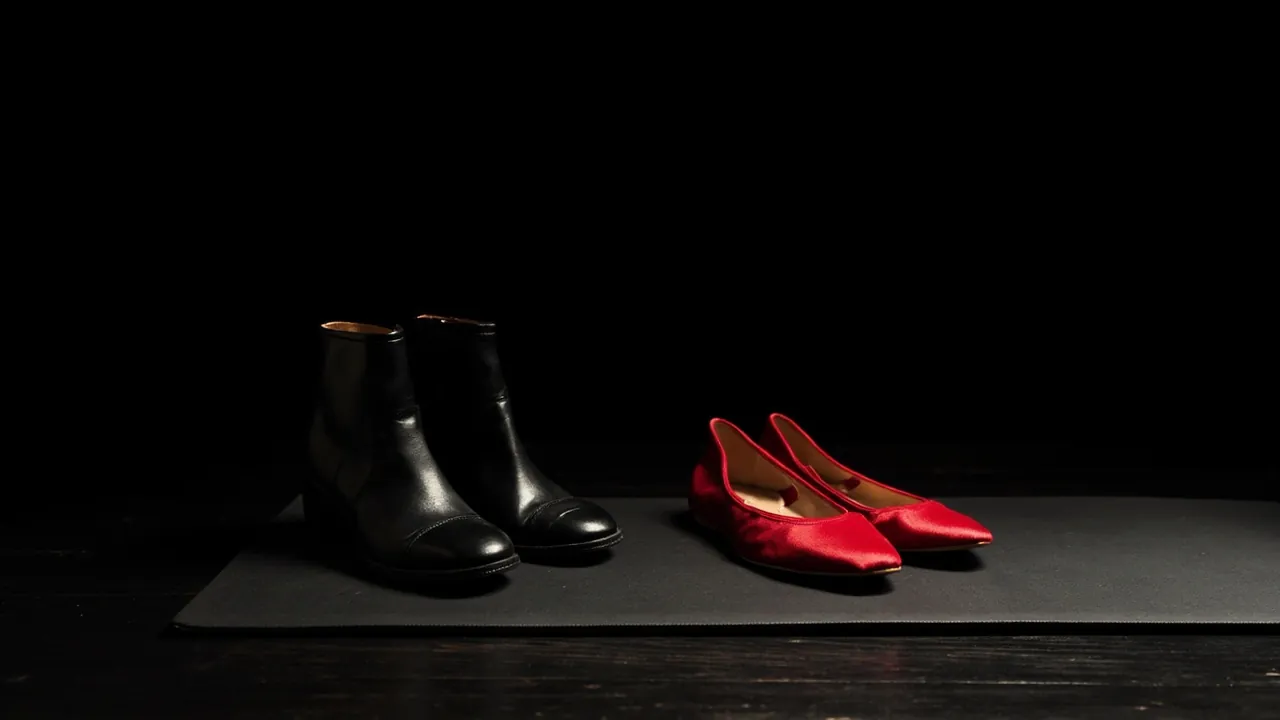
Why it's riskier than it looks
A person standing still on someone's back or chest doesn't look dramatic, but the body underneath is doing more work than it seems. Compressive asphyxia, as Wikipedia describes it, is the mechanical limiting of the lungs' expansion by compressing the torso. A 2024 case report on crush accidents found that traumatic asphyxia typically sets in two to five minutes after the chest is compressed; those cases involved far heavier loads than a person, but the lesson about time is the same.
Footwear multiplies the danger. Wikipedia notes that the pressure under a stiletto heel can be greater than that under an elephant's foot, because the whole weight sits on a tiny point, and warns that a stiletto tip on the chest or abdomen can fracture ribs or damage internal organs. The organs most at risk are the spleen, which sits behind the left ribs and can rupture after a blow to the abdomen or from broken ribs, and the kidneys, which sit just below the rib cage on either side of the spine.
Safety rules
No reliable source gives a safe weight for trampling, so don't trust anyone who quotes one. What harm-reduction advice does stress is negotiation, safewords, gradual intensity and stable footing. In practice:
- Never the neck, throat or head. Neck pressure is the leading cause of BDSM deaths; a 2021 review found strangulation in 15 of 17 published cases.
- Never jump. Wikipedia mentions jumping as part of some scenes; it's the fastest route to broken ribs.
- Hold weight back. The standing partner keeps a hand on a wall, chair or rail and most of her weight on the floor, adding more only gradually.
- Stay on large muscles. Thighs and buttocks, not the abdomen, the lower back over the kidneys, or any joint.
- Brief on the chest, if at all. Seconds, not minutes, and never when breathing is hard.
- Bare feet before shoes. Heels concentrate force so much that many people never use them for this.
- A non-verbal signal. Breathing under weight makes speech difficult, so agree a tap-out.
- Sober and steady. No alcohol, no slippery floors, no unstable footwear.
Starting slowly
If you do decide to try it, build up over several sessions rather than one. Begin with nothing more than a bare foot resting on the back or thigh while she sits, so the weight is token and the meaning is everything. Next, she stands beside you and shifts a little weight onto one foot on a large muscle, holding a support, and steps off again. Only after that, and only if both of you are comfortable, try brief standing with most of her weight still on the floor. Talk afterwards about how it felt, check for marks or soreness the next day, and don't move to the next step until the last one left no trace. The fantasy usually lives in the first, gentlest stage far more than people expect.
Warning signs of injury
The NHS says broken or bruised ribs usually heal within two to six weeks, but some symptoms need urgent care. Go to A&E for shortness of breath that's getting worse, pain in the tummy or shoulder, or coughing up blood. Pain behind the left ribs after a blow to the abdomen can signal a ruptured spleen, which the NHS calls a medical emergency. Don't wait to see if it settles.
The law
In England and Wales, the Domestic Abuse Act 2021 says it is not a defence that someone consented to serious harm for sexual gratification, and serious harm includes actual bodily harm. A broken rib is well past that line. Keep trampling light enough that nobody is ever injured, which is the right goal anyway.
Trampling on cam
The safest way to enjoy trampling is as a fantasy, and cam sessions do that well. A mistress can film from floor level so her boots or bare feet fill the screen, describe exactly where she'd step, and keep the whole scene in the imagination, with no risk at all. The strip at the top of this page shows women live now who list foot worship, boots or heels, and our guide to foot worship cams explains how those sessions run.
Quick answers
What is trampling?
As a fetish, being stepped or stood on by a partner for arousal, barefoot, in socks or in shoes. In the news, trampling usually refers to crowd disasters, where the danger is crushing rather than feet.
What is a trampling fetish?
A form of foot and shoe domination in which the pleasure comes from being literally underfoot: a dominant woman standing or walking on her submissive. It often overlaps with foot worship and boot worship.
Is trampling dangerous?
It can be. Weight on the chest can stop breathing, ribs can break, and a blow to the abdomen can rupture the spleen. High heels concentrate force enormously. Careful, negotiated play keeps the risks down but never removes them.
Is there a safe weight for trampling?
No. No medical or reliable source gives a safe weight, and anyone who quotes one is guessing. What matters is where weight goes, how much is held back, and how long it stays.
Which parts of the body should never be stepped on?
The neck, throat and head, the chest for more than a moment, the abdomen, the lower back over the kidneys, and any joint. Jumping on anyone is never safe.
When should someone get medical help after trampling?
Go to A&E or call 999 for breathlessness that's getting worse, coughing up blood, pain in the tummy or shoulder, or pain behind the left ribs, which can signal a ruptured spleen.
Is trampling safer barefoot?
Generally, yes. Bare feet spread weight over a much larger area than shoes, and heels concentrate it on a tiny point, so a barefoot scene puts far less pressure on any one spot. It still isn't risk-free on the chest or abdomen.