Guides
Prostate play and prostate milking, explained
Strap-on and pegging mistresses live now
See allProstate play means stimulating the prostate gland for pleasure, through the wall of the rectum, with a finger or a toy made for the purpose. Prostate milking is its best-known kink form: Wikipedia notes that in long-term orgasm denial play, prostate massage is often referred to as milking. In femdom it often sits alongside pegging and chastity, with a dominant woman in control. This page explains where the prostate is, what prostate play and milking involve, why the medical version fell out of favour, which health claims to ignore, and how to keep it safe.
Where the prostate is
The US National Cancer Institute describes the prostate as a gland lying just below the bladder and in front of the rectum, about the size of a walnut, which makes fluid that forms part of semen. Wikipedia adds that it weighs about 11 grams and that its fluid makes up as much as 30% of semen. Because it sits right in front of the rectum, it can be felt through the rectal wall, which is exactly how doctors examine it, using what the NCI calls a lubricated, gloved finger.
What prostate play is
Prostate stimulation feels different from other sexual sensation: deeper, fuller and, for many, surprisingly intense. Wikipedia notes that some men can reach orgasm solely through prostate stimulation, which is why the gland is nicknamed the male G-spot or P-spot. Others enjoy it without orgasm, and some don't enjoy it at all, all of which is normal.
Toys made for it are shaped accordingly. Wikipedia notes prostate massagers commonly have a narrow neck and a flared end so they can't be lost in the rectum, and the Sexual Medicine Society of North America advises that any toy used this way must have a base wide enough that it can't go all the way in and get stuck, with a fresh condom on any toy that's shared. Our guide to pegging covers strap-on play, the other common route.
Getting started
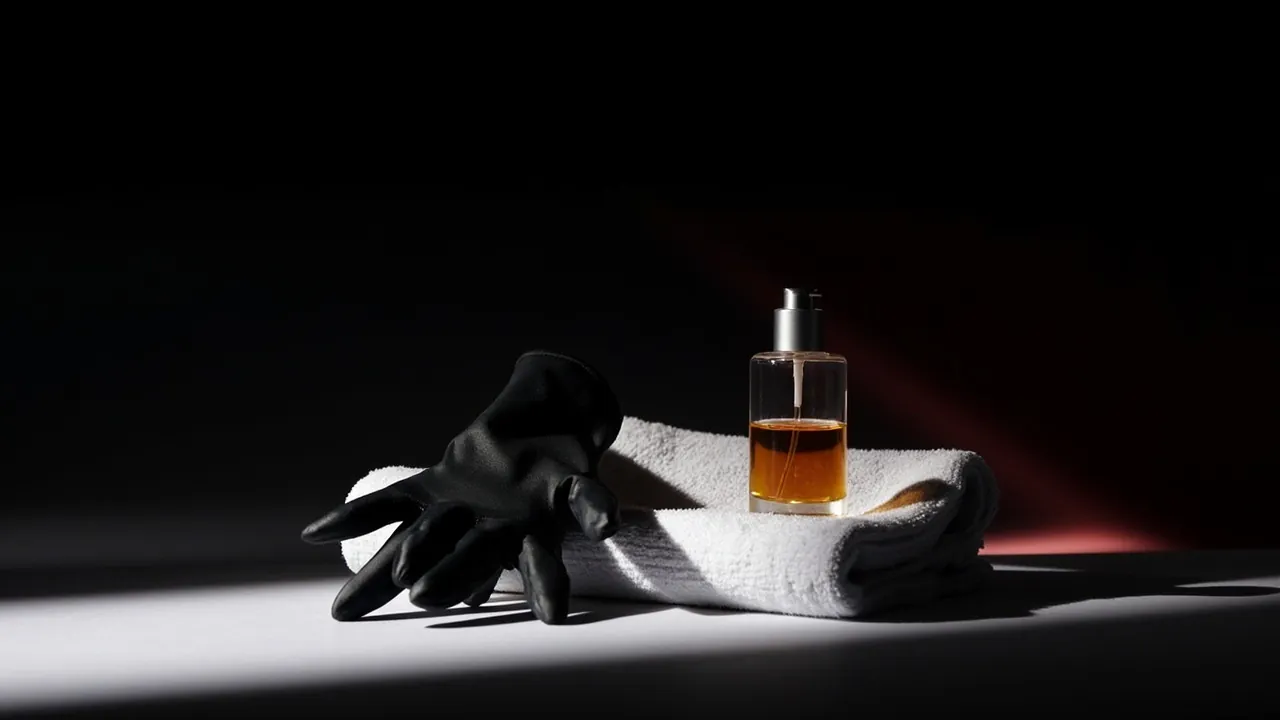
Preparation makes the difference between a good first experience and an uncomfortable one. Choose a relaxed moment with time to spare, empty the bladder and bowels beforehand, and have a towel, gloves and far more lubricant than you think you need within reach. Start with external touch and relaxation rather than going straight to the goal, because tension makes everything harder and less pleasant. Go slowly, let the receiving partner control the pace at first, and expect that the first attempt may be more about learning what feels good than about any particular result. Many people find a small, smooth toy designed for the purpose easier than a finger, and easier to relax with. If it's not enjoyable, stop; there's no prize for persisting, and plenty of people decide it isn't for them.
Prostate milking
In kink, milking means prostate stimulation used to release fluid without a full orgasm, typically as part of orgasm denial. It's especially associated with chastity: a locked submissive whose keyholder decides he may be milked rather than released, keeping the denial intact while easing the pressure. In femdom, the appeal is control at its most intimate. She decides when, how and whether it counts as relief at all. Our pages on orgasm control and male chastity cover the wider dynamic.
A medical treatment that fell out of favour
Prostate massage has a real medical history. In 1968, the urologists Meares and Stamey published a test that used massage to collect prostate fluid for diagnosing infection, though by 2000 only about 4% of American urologists used it regularly. A 2016 review in American Family Physician still described massage-based testing as useful for diagnosing chronic prostate and pelvic disorders.
As a treatment, it faded. A 1999 review noted that prostatic massage, once the most popular way to treat prostatitis, had been abandoned as a primary therapy almost three decades earlier, with almost no prospective data behind it. A 2006 study of 81 men found adding massage didn't significantly improve their response to antibiotics, and a 2018 Cochrane review of two studies and 115 people concluded it was uncertain whether massage reduces or increases prostatitis symptoms. A Cleveland Clinic urologist summed it up in 2022: there's no evidence that prostate massage provides any medical benefit, and doctors who once used it were probably massaging the pelvic floor muscles without realising.
Myths to ignore
- Milking drains or detoxes the prostate. There's no evidence for this.
- It prevents prostate cancer. No evidence links prostate massage to lower cancer risk.
- Doctors still prescribe it. Wikipedia notes it isn't officially sanctioned in medicine for treating any disorder.
- Push through the pain. If pain persists, stop. Pleasure is the point.
Safety
For healthy adults, prostate play is generally low risk if done gently. The Cleveland Clinic lists the possible problems as injury to the rectum, pain or soreness, and worsening haemorrhoids, and advises plenty of lubrication. Keep nails short and smooth, or wear gloves as doctors do. Go slowly, use toys with a flared base, and stop if anything hurts.
One rule is non-negotiable. American Family Physician warns that prostatic massage should be avoided in anyone suspected of having acute bacterial prostatitis, because vigorous massage can push bacteria into the blood and cause sepsis. Prostatitis is common, affecting an estimated 10 to 15% of men in the US, and the NHS lists its signs as pain when peeing, pain when ejaculating and a high temperature. If you have those symptoms, see a doctor rather than playing. And if you've recently had prostate surgery or a biopsy, or take blood thinners, ask your doctor before trying any of this.
Prostate play in femdom
In a femdom dynamic, prostate play usually arrives with a strap-on, a gloved hand or a toy she controls, often combined with denial or chastity. On cam, a mistress can guide you through using a toy yourself, setting the pace and deciding the ending. The strip at the top of this page shows strap-on and pegging mistresses live now, and our guide to strap-on mistress cams explains how those sessions run.
Quick answers
What is prostate play?
Stimulating the prostate gland for pleasure, through the wall of the rectum, with a finger or a toy designed for it. The prostate is sometimes nicknamed the male G-spot or P-spot.
What is prostate milking?
The kink name for prostate massage in orgasm-denial play. Wikipedia notes that in long-term denial it's often called milking: stimulation that releases fluid without a full orgasm, often while someone is locked in chastity.
Does prostate massage have health benefits?
There's no good evidence that it does. It was once a common treatment for prostatitis but was abandoned as a primary therapy decades ago, and a Cleveland Clinic urologist says there's no evidence it provides any medical benefit.
Is prostate play safe?
For healthy adults it's generally low risk with plenty of lubricant, short smooth nails or gloves, and toys with a flared base. It should be avoided entirely with suspected acute prostatitis, and anyone who has had prostate surgery should ask a doctor first.
Can men orgasm from prostate stimulation alone?
Some can. Wikipedia notes that some men achieve orgasm solely through prostate stimulation, while others find it pleasurable without orgasm, and some don't enjoy it at all.
When should you avoid prostate play?
When there are signs of prostatitis, such as pain when peeing or ejaculating, or a high temperature; after recent prostate surgery or a biopsy unless a doctor agrees; and whenever it causes pain that doesn't settle.
Is prostate play only for gay men?
No. Interest in prostate stimulation has nothing to do with sexual orientation, and in femdom it's most often a woman doing the stimulating, with a gloved hand, a toy or a strap-on.
What toy is best for prostate play?
One made for it: smooth, body-safe, with a gentle curve and a flared base wide enough that it can't slip all the way in. Start small, and use a fresh condom on any toy that's shared.
Does prostate play hurt?
It shouldn't. With patience, relaxation and plenty of lubricant, most people feel pressure and fullness rather than pain. Sharp or lasting pain is a sign to stop, and pain that persists afterwards is worth a doctor's opinion.